


Cake - Learn English & Korean
4.710.73K Reviews
App Specs
- Version
- 6.7.0
- Updated On
- License
- Free
- Downloads
- 100,000,000+
- Developer
- Cake Corp.
- Categories
- Education
- Platform
- Android, iOS
Screenshots
 Analysis by AppCompare
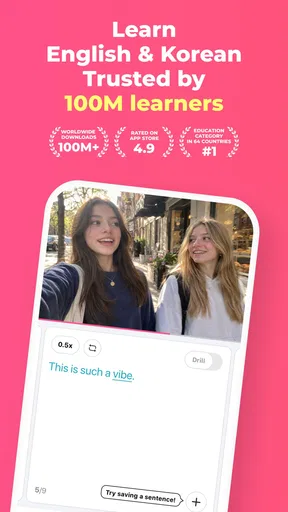
When I pick up a language-learning app, I want to know two things early: can I fit it into an ordinary day, and will the lesson feel useful beyond the screen? Cake’s short video-led approach makes it easy to try without setting aside a long study block. I found it most appealing as a way to notice how English or Korean is spoken in context, then practise a phrase while it is still fresh.
Quick sessions suit the format
Because lessons are built around short clips, Cake is naturally suited to brief visits rather than a single, lengthy class. I can imagine opening it while waiting for a drink or during a quiet commute, watching one clip, and trying its practice before moving on. That structure lowers the effort needed to begin. It also means I would treat each visit as a small learning step, not expect a short session to replace a fuller course.
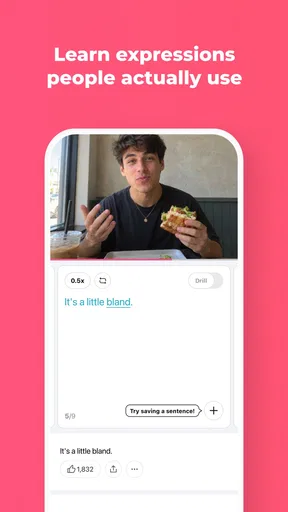
The video format changes what I pay attention to. Instead of seeing a phrase only as text and a translation, I hear it in a scene and can connect the words with the situation. That can help with conversational expressions, especially when the goal is to recognise language people actually use. The trade-off is that scenes can move quickly: if I am distracted, I may catch the general idea but miss the wording. I get more from pausing mentally, replaying a difficult phrase when the lesson allows, and saying it aloud rather than simply letting clips play one after another.
Getting more from a busy day
A practical routine is to use one short visit for input and another for recall. For example, I might watch a clip over breakfast, then return later and attempt the related practice without immediately checking what I remember. That small gap makes the exercise feel less like passive viewing. If I have only a few minutes, I would focus on one expression and its pronunciation rather than racing through several lessons. The aim is to leave with something I can recognise or try in conversation.
For a learner balancing study with work or school, the app’s compact format can make consistency more realistic. It is also a reasonable companion for someone who already studies from a textbook or takes classes and wants a livelier way to encounter everyday speech between sessions. I would not rely on video clips alone for a structured foundation, though. A learner who needs a clear sequence through grammar, writing, and formal assessment may be better served by a course designed around those goals, using Cake as a supplement rather than the whole plan.
Where it sits among learning apps
Many language apps centre their experience on vocabulary drills, scripted dialogues, or a planned course path. Cake feels more like a bridge between study and media: the clip gives a situation, and the follow-up practice asks me to engage with what I heard. That difference is useful when conventional exercises feel detached from real speech. On the other hand, learners who prefer a carefully staged syllabus may find a course-first app easier to follow, while people seeking open-ended conversation may still need a language partner or tutor. Cake’s particular strength is making short listening and speaking practice approachable, not covering every learning need by itself.
I would also keep expectations sensible around pronunciation feedback. Voice recognition can make practice more active and give me a reason to speak instead of silently reading, but I would treat a result as guidance rather than a definitive judgement of how natural I sound. A phone cannot replace a patient conversation partner who can respond to meaning, context, and personal speech habits. For a quick self-check, the tool can still be motivating; for detailed correction, human feedback is more useful.
Worth Reading Before You Choose

Baby Panda World Brings Quick Play to Modern Phones, but Its Game Library Feels Busy

ESPN’s Live Game View Makes Following Close Games Easier

QuizzLand Review: A Good Fit for Short Trivia Breaks, Not Every Player

Basketball Stars: Multiplayer Is Fast, but Can It Recover When Matches Go Wrong?

WEBTOON Turns Phone Updates Into a Better Reading Routine

Link to Windows Runs on Shared Habits, Not Social Feeds
Choosing a comfortable way to practise
One small but important habit is to practise out loud somewhere I feel comfortable. Repeating a phrase quietly at a desk is different from doing it on a crowded bus, where background noise or self-consciousness can make speaking awkward. I would save the speaking exercises for a calmer moment and use travel time for watching and listening. That division makes the app easier to fit into real life without turning every spare minute into a performance.
It is also worth deciding what success means before opening a lesson. If I am learning Korean for a trip, I might focus on catching useful expressions and saying them clearly. If I am improving English for everyday conversation, I might listen for how a phrase fits the scene rather than memorising it in isolation. The same clip-based approach can serve different aims, but I get more value when I choose one small target instead of expecting each session to improve everything at once.
Ever thought learning a new language could be fun and engaging? That's exactly what Cake - Learn English & Korean aims to deliver. As someone who's tried my hand at countless language apps, I can confidently say this one is a breath of fresh air. Let me take you through my experience with it.
Learning Through Bite-Sized Lessons
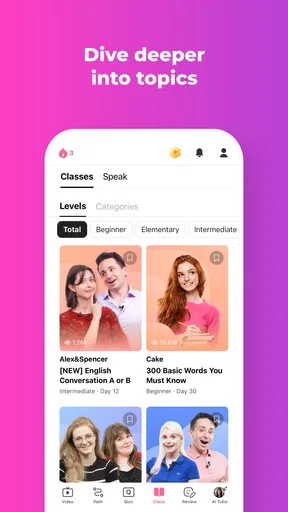
So, what's the deal with Cake? Imagine learning English or Korean through short, engaging videos. That's right! The app uses clips from popular movies, shows, and even vlogs to teach you the nuances of the language. It's like having a casual conversation with your favorite characters while picking up new words and phrases. Honestly, it's a genius way to keep users hooked.
Each lesson is bite-sized, making it perfect for those of us with busy schedules. You can squeeze in a quick session during your morning coffee or while waiting for the bus. The lessons are designed to focus on real-world language use, which is fantastic if you're aiming to get conversational fast.
Interactive Practice
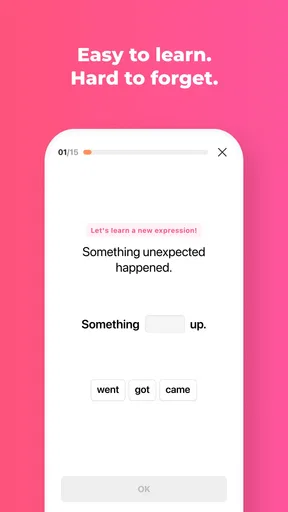
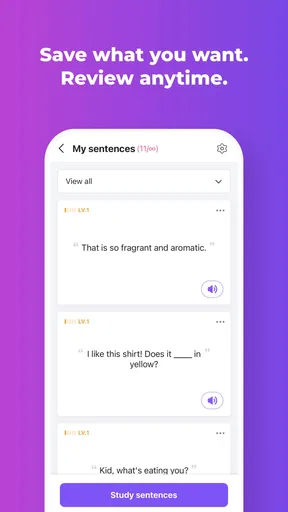
Now, learning from videos is cool, but how do you make sure you're actually retaining what you've learned? Cake's got you covered with interactive practice sessions. After watching a video, you can jump into exercises that test your understanding and pronunciation. It's hands-on learning at its finest.
The app uses voice recognition technology to give feedback on your pronunciation. I found this feature particularly helpful. It's like having a personal tutor, correcting you and helping you sound more like a native speaker. Plus, there's something quite satisfying about nailing a tough sentence after a few tries.
Engaging Community Features
What sets Cake apart is its vibrant community. You can connect with fellow learners from around the globe, share your progress, and even practice together. It's like having a study group in your pocket. There's a leaderboard too, which adds a fun, competitive edge. Who doesn't love a little friendly competition?
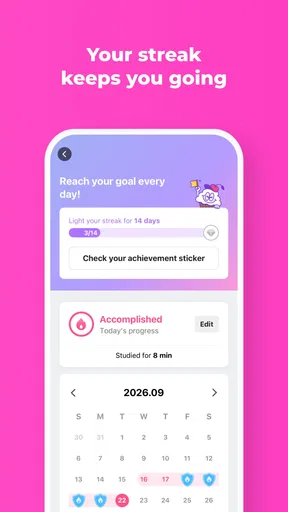
And let's not forget the daily challenges. These are short tasks that encourage you to use the language in real-life scenarios. Completing them rewards you with points, which you can use to unlock more content. It's a clever way to keep users motivated and coming back for more.
Design and Usability
The app's design is sleek and intuitive. Even if you're not tech-savvy, navigating through the lessons, practice sessions, and community features is a breeze. Everything is neatly organized, and the vibrant colors make the learning experience enjoyable. It's clear that the developers put a lot of thought into making the app user-friendly.
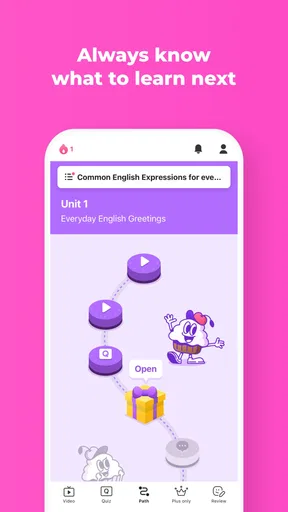
One of my favorite things about Cake is how it personalizes the learning experience. The app tracks your progress and suggests lessons based on your level and interests. So, whether you're a beginner or looking to polish your skills, there's always something new to learn.
Practical questions before you begin
Can a complete beginner make use of it? I think so, especially if they are comfortable learning from short examples and are willing to repeat phrases. But a beginner who wants every new word explained in a carefully ordered sequence may prefer a more structured course alongside it. Is it only for casual learners? No: it can also give more experienced learners a useful listening warm-up, although the short format is better for targeted practice than deep study.
Does it cost anything to start? Cake is free to download and use, with optional in-app purchases priced from under a dollar to amounts that can reach just under a hundred and twenty dollars per item. I would explore the free experience first and decide whether any paid option fits my habits before spending. The app is made by Cake Corp., is rated for Teen audiences, and its current version is 6.7.0. It has a 4.7 average from around 1.2 million ratings and more than 100 million installs, which suggests a broad audience, though popularity alone cannot tell me whether its teaching style suits me.
On a phone, performance expectations should stay practical. Short lessons are convenient, but video is more demanding than a page of flashcards, particularly if I am switching between clips and practice on a busy connection or an older device. I would begin with a short session and see how smoothly it runs on my own phone rather than assume every device will feel identical. The app’s minimum operating-system requirement is version 7.0, so checking compatibility before installing is a sensible first step.
Handling longer or interrupted sessions
When I use any video-based learning tool heavily, the main pressure point is usually not the exercise itself but the amount of time spent watching and replaying material. If I am on a limited mobile connection or trying to conserve battery, I would keep sessions short and save longer study for a convenient moment. I would also avoid opening several lessons in a hurry: choosing one clip, completing its practice, and then stopping gives the visit a clear endpoint and makes it easier to remember what I worked on.
Interruptions are part of phone use, so I would not build a study plan that depends on one uninterrupted stretch. If a call or message pulls me away, I can return later and choose a fresh short lesson rather than feeling obliged to finish a long chapter. That flexibility is a genuine advantage of bite-sized learning. Still, I would make a quick note of the expression I wanted to revisit, since a compact lesson can be easy to forget once I have moved on to other tasks.
Who will get the most from it
I would recommend Cake most readily to learners who enjoy hearing language in scenes and want low-pressure listening and speaking practice. It is especially appealing if you already watch English- or Korean-language media and want to become more attentive to useful phrases. A realistic routine might be watching a short lesson after lunch, practising one line at home, and trying to notice a similar expression in a show later. That link between the app and everyday media gives the learning a purpose beyond collecting completed exercises.
It is less suitable as the only resource for someone preparing for a formal exam, building writing skills from the ground up, or needing a tutor to explain why a sentence works. In those cases, a textbook, course, or teacher can offer a clearer progression and more detailed feedback. I would also skip the video-led approach if I find clips distracting or prefer quiet, text-focused drills. Choosing another method is not a failure; it simply means matching the tool to the way I learn best.
For comparison, a traditional vocabulary app can be faster when I want to review a specific set of words without watching anything, while a full course can provide a more explicit path from one topic to the next. Cake occupies a different middle ground: it makes real-sounding examples easier to approach and adds practice around them. I find that distinction valuable, as long as I do not mistake an engaging clip for complete language instruction. Pairing it with deliberate reading, writing, or live conversation fills gaps the format is not designed to cover.
Final Thoughts
In a world full of language learning apps, Cake - Learn English & Korean stands out with its innovative approach and engaging content. It's perfect for anyone looking to learn at their own pace, using real-world materials. The combination of video lessons, interactive practice, and community features makes it an all-around winner in my book.
If you're serious about learning English or Korean and want to have fun while doing it, give Cake a try. It's not just an app; it's a whole new way to immerse yourself in language learning. Trust me, you won't be disappointed!
My final take is more measured: I see Cake as a lively practice companion, not a complete replacement for every kind of study. Its biggest value is that it can turn a spare moment into listening and speaking practice connected to actual scenes. The experience is strongest when I choose a clear target, repeat a phrase, and then use another resource for the skills the clips do not address as directly.
For an education app, that balance matters. Cake is free to begin, works best for learners who enjoy video examples, and offers a less formal alternative to a workbook-heavy routine. I would recommend trying it if you want English or Korean to feel closer to everyday conversation; I would pair it with structured study if you need a complete curriculum. Used with those expectations, it is an approachable way to make regular practice easier to return to.
Pros
- Engaging daily lessons boost learning.
- Interactive exercises enhance retention.
- Supports both English and Korean learners.
- User-friendly interface with intuitive navigation.
- Free access with optional premium content.
Cons
- Limited offline content accessibility.
- Pronunciation feature could be improved.
- Ads can interrupt learning sessions.
- Occasional app performance lags.
- Some content requires in-app purchases.
FAQs for Cake - Learn English & Korean
What is Cake - Learn English & Korean and how does it work?
Cake is a language learning app designed to help users learn English and Korean through interactive lessons, videos, and quizzes. It utilizes real-life conversations and engaging content to enhance language skills. Users can practice speaking, listening, and reading through various challenges and receive instant feedback on their progress.
Is Cake - Learn English & Korean free to use?
Yes, Cake offers a free version with a variety of features and lessons available. However, there is also a premium subscription option that provides additional benefits such as ad-free experience, access to exclusive content, and more personalized learning paths. Users can choose based on their learning preferences and budget.
What age group is Cake suitable for?
Cake is designed for users of all ages, from young learners to adults who are keen to improve their English or Korean language skills. The app's user-friendly interface and diverse content make it suitable for beginners and intermediate learners, catering to different learning paces and styles.
Can I use Cake offline?
While Cake primarily requires an internet connection to access its full range of features, some content can be downloaded for offline use. This is particularly useful for users who wish to continue learning while traveling or when they have limited data access. Always check which lessons are available offline within the app.
How effective is Cake for language learning compared to other apps?
Cake stands out due to its focus on real-life conversational practice and engaging multimedia content. While other apps may rely heavily on traditional methods, Cake uses videos and interactive elements to make learning more dynamic. Its effectiveness can vary by user, but many appreciate its practical approach to language acquisition.


